Fix Blurry Photos
Upload a soft or low-resolution photo and get a sharper copy at twice the size. Faces and colors stay as they are. First photo free, then from $4.99. Sign in with Google.
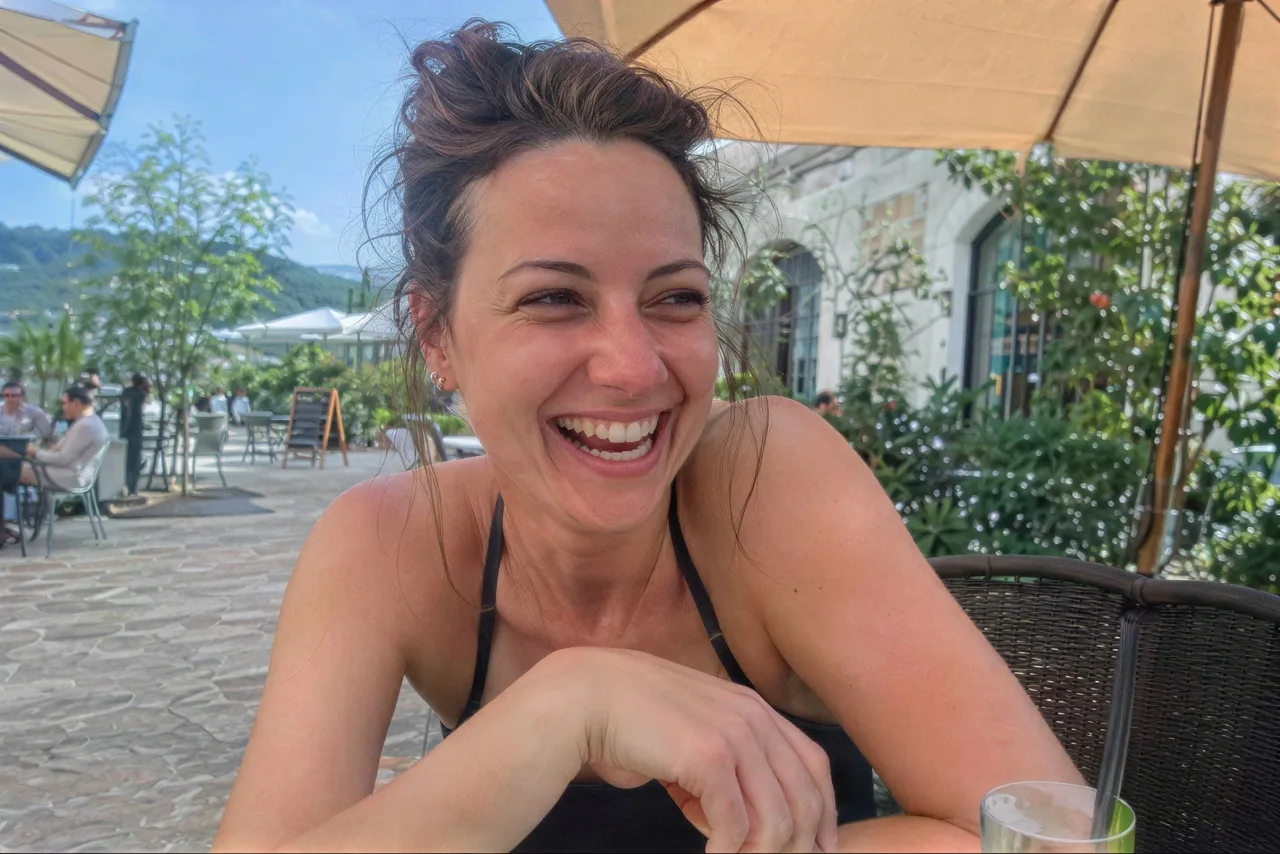 BeforeAfter
Soft, compressed portrait enhanced 2× · AI-generated sample photo
Upload a photo
Blurry, soft, small or compressed. One photo at a time.
or drop it here · JPEG, PNG or WebP up to 10 MB; larger photos are resized to 2048 px per side
Your first photo is free. After that, one credit per photo. No subscription.
You hand over a product photo 640 px wide, softened and recompressed the way chat apps do it. You get it back at 1280 px, with the same label.

Blurry in.
How to fix a blurry photo
First, upload the blurry photo.
Choose one photo (JPEG, PNG or WebP up to 10 MB; larger photos are resized to 2048 px per side). It is checked in your browser before anything is sent.
 IMG_2041.jpg640 × 427 px · 61 KB · JPEGReady
Then sign in with Google.
Your first photo is free. After that, packs start at $4.99 for 25 photos, one-time.
Next, compare before and after.
Drag the slider and zoom into eyes, hair and text to check the result.
Finally, download the sharper copy.
The file is twice the width and height of your upload, without a watermark.
Photo packs
$9.99one-time
80 full-size enhancements at $0.12 each. Every photo comes back twice the width and height, without a watermark. Credits never expire and there is no subscription.
Which blurry photos can be fixed
Most blurry photos from phones and cameras are blurry for one of four reasons: the image is small and was stretched, it was compressed by a chat app or a website, the camera focused slightly in front of or behind the subject, or the subject or hand moved a little during the shot. The first three respond well to sharpening and upscaling, because the outlines of the subject are still in the file — they are just soft or blocky.
The enhancer reads the pixels you upload, cleans up compression blocks and noise, sharpens edges and doubles the width and height. It does not paint in new detail. That is why a slightly soft photo comes back with crisp edges and fine lines, while a subject that is only a smear of color stays a smear: the information is not in the file, and a faithful tool cannot invent it.
Strong motion blur — a long streak where the subject moved across the frame — is the hardest case. The result will look cleaner and less noisy, but it will not look like a photo taken with a fast shutter. If you have another shot of the same moment, enhance that one instead.
Common blurry photos people fix
- Photos received in a chat. Messaging apps shrink and recompress photos. Enhancing the received copy removes the blocky compression and brings back cleaner edges.
- A slightly out-of-focus shot. When the camera focused on the background, the subject comes out soft. Sharpening brings back clear outlines; people are not redrawn.
- A cropped or zoomed-in shot. Cropping a group photo or zooming with a phone leaves a small, soft image. Upscaling 2× gives you enough pixels for a profile picture or a print.
- Product and listing pictures. Soft phone shots of products, rooms or cars look sharper in a shop or marketplace listing after enhancement.
Limits
- Heavy motion blur and completely missed focus improve only a little.
- Very small images (under 64 px per side) do not carry enough detail to fix.
- Repairing torn or damaged prints, or adding color, is a different job and is not part of this tool.
- Very small or heavily blurred text can come out as the wrong letters, so zoom in and check text before you download.
- Uploads are processed only when Google sign-in, server-side validation, input and output safety review, budget and quota controls, and private storage are all available; otherwise the request fails without charging a credit.
Get the best result from a blurry photo
- Use the original file. Upload the photo itself, not a screenshot of it. A screenshot adds another layer of softness and compression.
- Pick the sharpest shot. If you took several photos of the same moment, choose the one where the subject moved least. Enhancement improves a good starting point most.
- Enhance first, crop later. Cropping first throws away pixels the model could use. Enhance the full photo, then crop the enhanced copy.
- Ask the sender for the full-size photo. If the photo came through a chat, the sender may still have the original. That file will always enhance better than the compressed copy.
Fix blurry photo FAQ
Can a blurry photo really be fixed?
A soft, compressed or slightly out-of-focus photo can be made clearly sharper. Strong motion blur and completely missed focus can only be improved a little, because the detail is not in the file.
Will fixing the blur change people or text?
No. This tool does not change faces or expressions: it sharpens and enlarges what is already there. Very small or heavily blurred text can come out as the wrong letters, so zoom in and check text before you download.
How much does it cost?
You sign in with Google, then buy a pack. Available photo packs: 25 photos for $4.99, 80 photos for $9.99 or 200 photos for $19.99, one-time purchases, no subscription. One credit enhances one photo. Your first photo is free: each Google account gets one full-size enhancement without a watermark. Credits are reserved per photo and only used when a result is delivered.
How large is the fixed photo?
Twice the width and height of the photo you upload, so four times the pixels.
What happens to my photo?
When you press Enhance, the photo is uploaded to this site’s server for validation. SeeAPI reviews the input and the result for safety, and an upscaling model on Kie sharpens and enlarges the photo. Results are stored privately for your account; the Privacy Policy lists the deletion periods. Kie keeps uploaded copies for 24 hours and generated images for 14 days, and we cannot delete its copies sooner.